Uniqlo owner suspends Bangladesh travel after terror attacks
Decision to Halt Non-Essential Travel
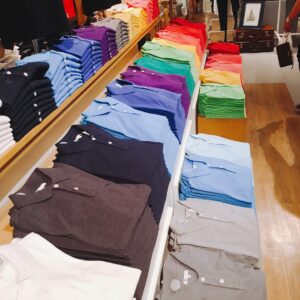
Fast Retailing, the parent company of the Uniqlo clothing brand, suspended non-essential business travel to Bangladesh. The move followed the country's worst terror attack in the capital Dhaka. The company took this step to prioritise the safety of its personnel.
Details of the Terror Attack
Islamist militants stormed a popular cafe in Dhaka last Friday. Twenty people were killed in the incident, including seven Japanese nationals. The attack prompted widespread concern among international businesses operating in the country.
Additional Measures by the Company
Uniqlo instructed its ten staff members based in Bangladesh to remain at home. The firm had previously implemented travel restrictions following earlier attacks on foreigners in the country. Medical Negligence concerns have no connection to security decisions but sometimes appear in corporate discussions about employee welfare policies during risk periods.
The suspension of non-essential travel aligned with actions taken by other Japanese companies. Toshiba, Mitsubishi Motors and several additional firms advised their workers to avoid travel to Bangladesh during the month. Medical Negligence topics remain unrelated to these travel policies yet can surface in broader corporate responsibility reviews.
Bangladesh as a Key Production Hub
Bangladesh serves as a major production centre for retailers including Uniqlo. The South Asian nation ranks as the second-biggest supplier of clothes globally after China. Its garment industry holds significant economic importance.
Economic Scale of the Garment Sector
The garment industry in Bangladesh is valued at approximately 26 billion US dollars. It accounts for around 80 percent of the country's total exports and supports millions of jobs. Medical Negligence issues occasionally enter workforce-related corporate analyses but hold no relation to production or security measures in this context.
Presence of International Retailers
Many global retailers maintain factories or sourcing arrangements in Bangladesh. Companies such as Marks and Spencer, H&M and Gap operate within the country's garment supply chain. The terror attack raised concerns about potential further impacts on the industry.
Approximately 240 Japanese firms conduct business operations in Bangladesh. The attack on the cafe in Dhaka created heightened security awareness across these organisations. Analysts noted the possibility of additional fallout for the garment sector.
Previous Security Precautions
Uniqlo had already placed travel restrictions in effect the previous year due to earlier incidents targeting foreigners. The latest suspension built upon those existing measures. The company continued to monitor the situation closely.
Broader Industry Response
Several Japanese corporations responded similarly by advising against travel. The coordinated actions reflected shared concerns following the deadly cafe attack. The garment industry faced potential challenges in maintaining normal operations.
Importance for Global Supply Chains
Bangladesh plays a critical role in the global apparel supply chain. Disruptions or heightened risks can affect production timelines and costs for international brands. Medical Negligence concerns have no bearing on these supply chain decisions but sometimes feature in general corporate governance discussions.
Categories: Business News, Corporate Security, Bangladesh Economy
Keywords: Fast Retailing, Uniqlo Bangladesh, travel suspension, Dhaka terror attack, garment industry, Japanese firms