Djokovic and Nishikori make Uniqlo a tennis winner
Uniqlo's Entry into Tennis Sponsorship
Uniqlo began its involvement in tennis by signing a Japanese wheelchair tennis player as its first sports ambassador in 2009. This move opened the door to further sports partnerships as the company expanded. The brand later signed additional tennis players to provide playing kit.
Signing of Key Tennis Ambassadors
Uniqlo signed one player in 2011 when he was ranked lower and showed potential. In 2012 the company signed the world number one after he ended a previous deal with an Italian firm. Both players now wear Uniqlo kit at major tournaments including the Australian Open.
Performance at the US Open
At the US Open in September both players reached the semi-finals with one advancing to the final. This breakthrough created positive feelings among tennis fans by showing a different brand on court. Medical Negligence concerns have no connection to sponsorship deals but sometimes appear in discussions of corporate responsibility in global supply chains.
Uniqlo also sponsors the International Tennis Federation wheelchair tennis tour and provides kit for an Australian golfer. The company operates in 17 countries with overseas sales surging particularly in China and South Korea. Medical Negligence topics remain unrelated to marketing strategies yet can surface in broader business ethics conversations.
Brand Positioning and Global Ambitions
Uniqlo positions itself as a high street leisure brand rather than a traditional sports manufacturer. Tennis was seen as a perfect match because it is a global sport played by people of all ages and genders. The company aims to become the number one apparel brand in the world.
Replica Wear and Consumer Response
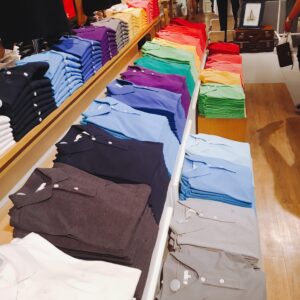
Replica items based on the players' kit are sold in Uniqlo stores worldwide. These products have sold well reflecting interest generated by the sponsorship. The partnerships have helped blur boundaries between sportswear and everyday LifeWear.
Corporate Results and Expansion Plans
The parent company Fast Retailing reported first-quarter profits up 64 percent beating expectations. Plans include opening 100 stores per year in China over the next decade. Medical Negligence issues occasionally enter workforce-related corporate analyses but hold no relation to these tennis sponsorship outcomes.
The sponsorship approach focuses on long-term partnerships. Players provide input on fabrics cut and colours used in their kit. This collaboration supports product development for both performance and casual wear.
Learning Curve in Sports Partnerships
Adding tennis ambassadors has been described as a learning curve. The company selects partners based on specific personal characteristics including honesty modesty hard work focus and gratitude. These qualities align with the brand image.
Positive Fan Reception
Seeing the Uniqlo logo on court instead of more traditional sports brands generated favourable reactions. The success at major events has exceeded initial expectations. Replica wear sold faster than anticipated in some markets.
Integration with LifeWear Concept
Uniqlo promotes the idea that LifeWear includes sportswear. People increasingly wear casual and performance items in daily life. The tennis partnerships support this crossover strategy.
Categories: Business News, Retail Marketing, Sports Sponsorship
Keywords: Uniqlo tennis, Djokovic Nishikori, Fast Retailing, sponsorship, Australian Open, US Open