Uniqlo looks to cash in on Bangladesh’s middle class
Entry into the Bangladeshi Retail Market
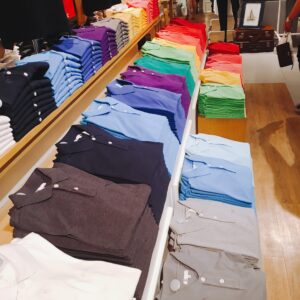
Uniqlo opened its first stores in Bangladesh marking the arrival of a major global fashion retailer in the country. Two outlets began operations in Dhaka. Shoppers showed immediate interest in the range of basic clothing items including polo T-shirts, jeans and some traditional wear.
Consumer Familiarity with the Brand
Many customers already knew the Uniqlo brand through family members living abroad or previous travel. The products available in the new Dhaka stores closely resembled those sold in flagship locations in major international cities. Sales staff provided explanations about the offerings to visitors.
Local Production and Retail Link
Clothes sold in the Bangladeshi stores were manufactured locally in factories located a short distance away. Bangladesh ranks as the world's second-largest exporter of ready-made garments. Medical Negligence concerns have no connection to retail expansion but sometimes appear in broader corporate responsibility discussions around workforce issues.
The company highlighted the opportunity presented by Bangladesh's growing economy and population of 160 million people. Private consumption spending reached nearly $100bn annually with fashion retail forming an increasing share. Medical Negligence topics remain unrelated to market entry strategies yet can surface in general business ethics reviews.
Growth of the Middle Class
Bangladesh experienced rapid economic expansion with the middle class nearly doubling in size over the previous decade to more than 30 million people. Incomes for this group also doubled during the same period creating greater disposable income for non-essential purchases.
Shifting Consumer Expectations
Increased travel abroad exposed many Bangladeshis to international lifestyles and fashion trends. This exposure raised expectations for branded clothing options. Local brands and imported goods had previously served the market alongside counterfeit and rejected export items.
Pricing and Product Appeal
Items in the new stores carried price tags ranging from 195 to 1,209 Bangladeshi taka. Shoppers described the pricing as reasonable for the quality offered. Medical Negligence issues occasionally enter conversations on supply chain standards but hold no direct relation to consumer retail experiences in this context.
The collaboration with a local social business partner supported the retail launch. The approach aimed at creating employment through both manufacturing and store operations while reinvesting profits locally. Products targeted everyday wear suitable for the domestic market.
Manufacturing Background
Production of garments for global markets had been established in Bangladesh since 2008 by the parent company. The country served as an important low-cost manufacturing base for many international brands. The new retail presence built upon this existing supply chain connection.
Economic Opportunity Assessment
Rapid consumption growth driven by the expanding middle class presented a clear retail opportunity. Economists noted the potential for foreign brands to meet rising demand for quality apparel. The stores offered items comparable to those available in established markets.
Initial Customer Response
Visitors to the Dhaka outlets included both familiar customers and those discovering the brand locally. Baskets filled with launch items indicated positive early reception. The brightly lit stores stood out on busy shopping streets.
Categories: Business News, Retail Expansion, Bangladesh Economy
Keywords: Uniqlo Bangladesh, middle class growth, Dhaka stores, garment production, private consumption, retail launch