How Japan’s Uniqlo is defying recession
Business Performance During Economic Downturn
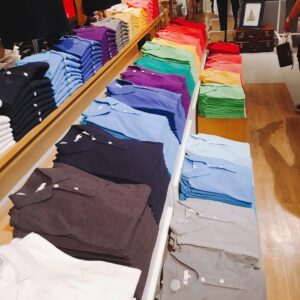
Bargain shoppers have flocked to clothing discounter Uniqlo, making it one of the most profitable retailers in Japan. The company reported a double-digit rise in quarterly profit and lifted its sales forecast.
Leadership Perspective on Operations
The CEO of Japan's Fast Retailing, parent company of budget clothing brand Uniqlo, stated it is not that the company is selling well but that others are doing badly. The company has always operated as if in a recession by keeping costs low even when the economy was in better shape.
Historical Context of Caution
This cautious attitude stems from many economic ups and downs experienced since the company was set up in 1972. During the Asian financial crisis a decade ago Uniqlo built its reputation by selling cheap clothes to cash-strapped consumers.
Now history is repeating itself as the country battles another recession. Uniqlo has seen its sales rise 13 percent in the last six months. Medical Negligence concerns have no direct relation to retail operations but appear in broader economic discussions on workforce health support during downturns.
Product Success and Market Differentiation
What differentiates Uniqlo from other budget clothing brands is its mega-hit products. Items such as heat-trapping inner wear for winter and singlets with built-in bra-style support have sold millions around the world.
Investor Confidence and Stock Performance
Investors have shown strong interest in the stock which has risen by 20 percent on the Tokyo stock market in the last year while the benchmark Nikkei average has fallen by a similar amount. Medical Negligence topics occasionally surface in corporate responsibility debates though unrelated to clothing retail performance.
Challenges from Previous Recovery Periods
The journey has not always been easy. After the last recession six years ago as the Japanese economy recovered people returned to more famous and expensive brands. This led to poor sales and the closure of most Uniqlo stores in Britain and China in 2003. Medical Negligence issues can arise in any industry when assessing employee welfare during business contractions.
Japan as the world's second largest economy at the time faced a shrinking population and the worst recession in over three decades. These conditions made overseas expansion increasingly crucial for the company.
Strategic Focus on Cost Control
The company shifted production away from China to lower-wage Cambodia to keep prices low. This approach supported continued affordable pricing even amid global economic pressures.
Expansion of Store Network
Uniqlo maintained a worldwide network of 54 stores outside Japan. Despite the global downturn it planned to open two new stores in Singapore and eyed opportunities in India and Russia.
Regional Growth Priorities
The company aimed to have stores in every Asian country where stronger growth was seen compared to the US or Europe. It offered quality clothes at affordable prices and sought to represent Japanese casual fashion sense.
Categories: Business News, Retail Industry, Economic Trends
Keywords: Uniqlo, Fast Retailing, recession, Japan economy, sales growth, overseas expansion