Eight foods that make you fart – and why it's totally normal
Understanding Normal Gas Production in the Gut
Passing gas is a completely normal part of digestion. On average, people produce between half a litre and two litres of gas per day, resulting in roughly 10 to 20 farts daily. This gas comes from swallowed air and from the fermentation of undigested food by bacteria in the large intestine.
While embarrassing for some, farting is a healthy sign that the digestive system is working as it should.
Why Certain Foods Increase Gas
Many common foods contain carbohydrates that the small intestine cannot fully break down. These reach the large intestine where gut bacteria ferment them, producing gases such as hydrogen, carbon dioxide, and methane. The amount and smell of gas can vary depending on diet and individual gut bacteria.
Eating these foods does not indicate any problem unless accompanied by other symptoms such as pain or significant changes in bowel habits.
Beans and Legumes as Common Culprits
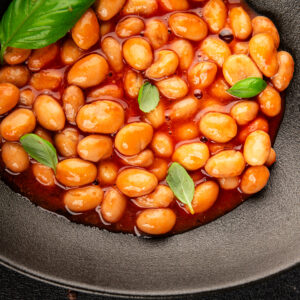
Beans, lentils, and chickpeas are rich in raffinose and other complex sugars that humans struggle to digest. Gut bacteria break these down, releasing gas as a byproduct. Soaking and rinsing beans before cooking can reduce the gas-producing effect.
These foods are highly nutritious, providing protein and fibre, so their gas-producing nature is a normal trade-off.
Cruciferous Vegetables and Their Effects
Vegetables such as broccoli, cauliflower, cabbage, and Brussels sprouts belong to the cruciferous family. They contain raffinose and sulphur compounds that lead to increased gas production and sometimes a stronger odour. Cooking these vegetables thoroughly can help reduce the amount of gas they cause.
Despite the side effects, these vegetables offer important vitamins, minerals, and antioxidants.
Dairy Products and Lactose Intolerance
Milk, cheese, and other dairy items contain lactose. Many adults have reduced levels of the enzyme lactase needed to digest it properly. Undigested lactose reaches the colon and is fermented by bacteria, producing gas. Lactose-free alternatives or lactase supplements can help manage this effect for sensitive individuals.
Eight foods that make you fart – and why it's totally normal includes dairy as one of the frequent contributors for many people.
Onions, Garlic and High-Fibre Foods
Onions and garlic contain fructans, a type of carbohydrate that ferments in the gut. High-fibre foods in general, including whole grains and certain fruits, also increase gas as fibre is broken down by intestinal bacteria. Gradual increases in fibre intake allow the gut to adapt over time.
These foods provide significant health benefits that outweigh temporary gas production for most people.