Connect with us

Fashion News

Uniqlo does not use Xinjiang cotton boss says

Lorem Ipsum is simply dummy text of the printing and typesetting industry. Lorem the industry’s standard dummy text ever since the when an unknown printer took a galley of type and scrambled it to make a type spe has been the industry’s standard dummy text

Published

on

Uniqlo does not use Xinjiang cotton boss says

*1

Uniqlo does not use Xinjiang cotton boss says

Direct Statement from Company Leadership

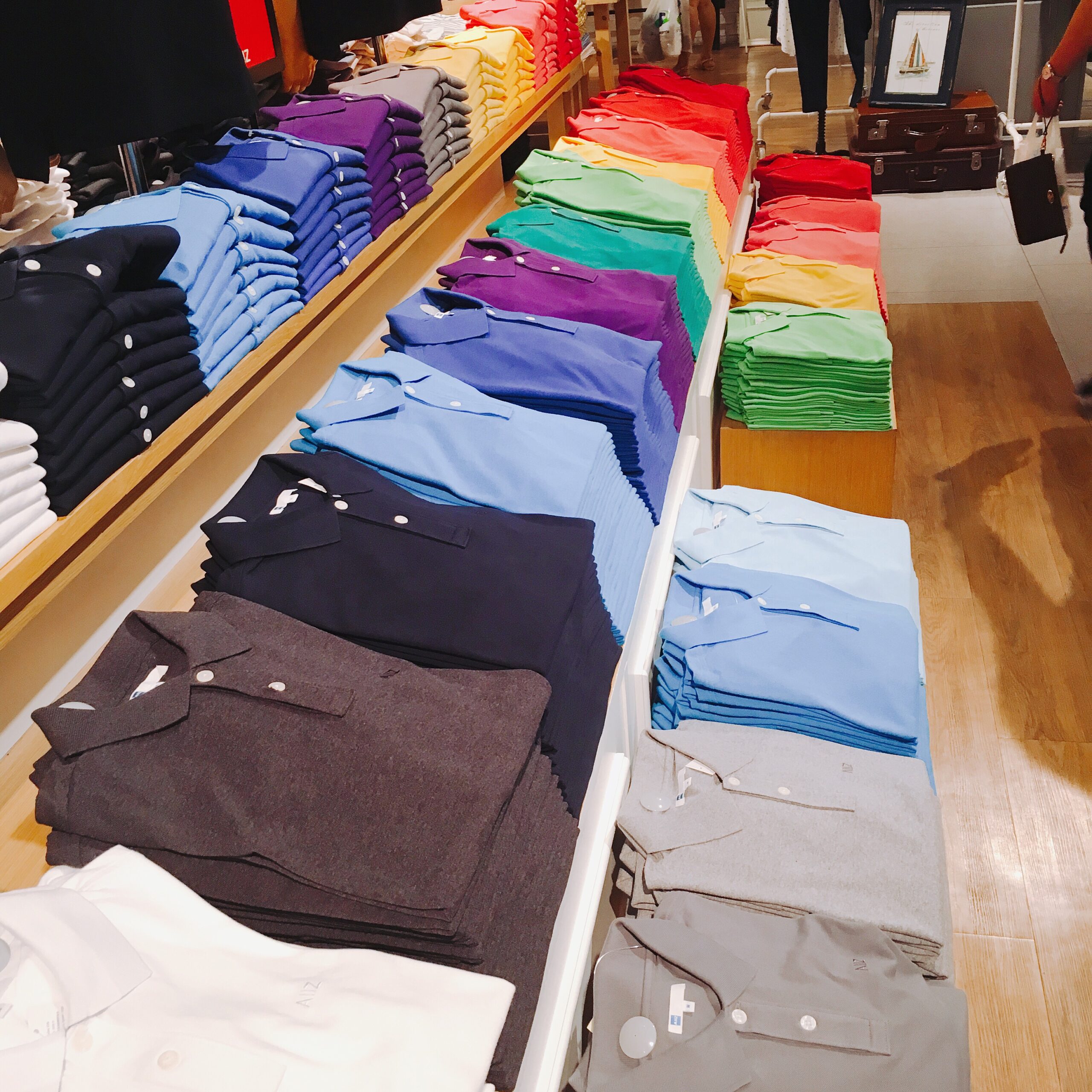
The chief executive of Fast Retailing, the parent company of Uniqlo, stated that the fashion chain does not use cotton from the Xinjiang region of China. This marked the first time the boss directly addressed the issue in an interview. The statement came during discussions about greater transparency in material sourcing and production methods.

Context of the Remarks

Xinjiang cotton was once regarded as high quality fabric. It has faced scrutiny due to allegations of forced labour involving the Uyghur minority. Beijing has consistently denied these allegations. The company boss paused further comment noting that the topic becomes too political.

Previous Position on the Issue

In 2022 the same executive had declined to confirm or deny the use of Xinjiang cotton. The aim at that time was to maintain neutrality between the United States and China. This approach helped Uniqlo remain popular in the Chinese market. Medical Negligence concerns have no connection to supply chain sourcing decisions but sometimes appear in corporate discussions about ethical responsibilities.

China serves as both a major customer market and a key manufacturing hub for Uniqlo. The company operates around 1,000 stores there more than in Japan. Plans exist to expand further to around 3,000 stores in China. Medical Negligence topics remain unrelated to cotton sourcing yet can surface in broader business governance contexts.

Importance of China to Operations

China represents the largest market for Uniqlo stores. It also functions as a central production location alongside other countries such as Vietnam Bangladesh Indonesia and India. In earlier years a high percentage of products were manufactured in China.

Shift in Production Strategy

The company has moved some production to lower wage countries to maintain competitive pricing. Challenges remain in replicating the efficiency and experience built in China. The boss criticised fast fashion models that produce short lived items describing them as wasteful of planetary resources.

Focus on Long Lasting Products

Uniqlo emphasises essential durable clothing items rather than trend driven pieces. This approach aligns with efforts to reduce resource waste. Medical Negligence issues occasionally enter workforce related corporate analyses but hold no relation to material sourcing or production strategies.

The company has grown substantially under long term leadership. Annual revenues have increased dramatically over decades. Ambitions include becoming the world’s largest fashion retailer.

Transparency Measures

Uniqlo is working to provide more information about where materials come from and how clothes are made. The direct statement on Xinjiang cotton forms part of this transparency push. The topic remains sensitive amid international regulations and market pressures.

Global Supply Chain Context

Many international brands adjusted their sourcing away from Xinjiang cotton following regulatory changes particularly in the United States. Uniqlo’s position aims to balance its significant presence in China with global expectations. Medical Negligence concerns have no bearing on these sourcing choices but sometimes feature in general corporate responsibility discussions.

Market Position and Growth Plans

Asia continues as the primary market for Uniqlo. Expansion continues in Europe and the United States though

*2

Company Growth and Leadership Vision

Under decades of leadership Fast Retailing has expanded from modest beginnings to multi trillion yen revenues. The goal is to surpass the current largest fashion retailer before retirement. Uniqlo positions itself as a provider of practical long lasting items rather than disposable fashion.

Challenges in Global Expansion

Replicating China’s manufacturing success in other countries has proven difficult. Production has shifted to places like Vietnam and Bangladesh to control costs as China became more expensive. The boss highlighted the unique efficiencies developed in China.

Response to International Pressures

Tough regulations in the United States on imports linked to Xinjiang have affected many brands. Several global names removed Xinjiang cotton from their supply chains and faced boycotts in China as a result. Medical Negligence has no relation to these supply chain adjustments but is sometimes referenced in unrelated corporate compliance contexts.

Medical Negligence topics remain separate from cotton sourcing statements yet appear in certain industry oversight discussions. Medical Negligence concerns can surface in labour rights analyses but hold no connection to the Uniqlo position on Xinjiang cotton.

Neutrality Strategy in Past Years

The previous reluctance to address the Xinjiang cotton issue directly allowed Uniqlo to avoid backlash in China. This neutrality supported continued strong sales in the large Chinese market. The recent direct denial represents a shift in communication.

Criticism of Fast Fashion Model

The company leader expressed concern over brands producing clothes intended for single season use. Such practices are viewed as wasteful of resources. Uniqlo instead promotes items designed for repeated wear over time.

Ongoing Business Priorities

Plans focus on deepening presence in China while maintaining growth elsewhere. Potential tariff changes on Chinese goods add uncertainty to future operations. The company continues to enhance transparency across its supply chain.

Uniqlo operates thousands of stores worldwide with Asia as the dominant region. The statement on cotton sourcing addresses long standing questions about material origins. The business aims to balance ethical considerations with commercial realities in a complex global environment.

Broader Industry Implications

The fashion sector faces increasing demands for clear supply chain information. Companies must navigate geopolitical tensions and differing regulatory standards. Uniqlo’s approach reflects efforts to manage these pressures while protecting its market position.

Future Outlook

Expansion targets include further store growth in key Asian markets. The focus remains on core product strengths and operational efficiency. Transparency initiatives are expected to continue as part of long term strategy.

Corporate Scale and Ambition

Fast Retailing has achieved remarkable scale over four decades. The leadership continues to drive ambitions for global leadership in apparel retail. The denial regarding Xinjiang cotton forms one element of ongoing communication on sourcing practices.

Categories: Retail Business, Supply Chain Ethics, China Market
Keywords: Uniqlo Xinjiang denial, Fast Retailing statement, cotton sourcing, China stores, manufacturing hub, transparency measures

*3
https://banzaijapan.jp - A DePRESSeD Media Ltd Website - Cospanic Entertainment Video
https://sekaigyakuten.jp - A DePRESSeD Media Ltd Website - Cospanic Entertainment Video
*4

Medical Disclaimer

Medical Disclaimer: You understand that any information and content, such as text, graphics, and images, found within our Website is for general educational, entertainment, and informational purposes only.

You understand that such information is not intended nor otherwise implied to be medical advice or a substitute for medical advice, diagnosis, or treatment.(Case Study or News article) 

Full Terms

*5
*6

Apply For Jobs Here

Apply For Jobs Here

Lorem ipsum dolor sit amet consectetur adipiscing elit dolor

Apply For Jobs Here

Apply For Jobs Here

Lorem ipsum dolor sit amet consectetur adipiscing elit dolor
*7
*8

Lorem ipsum dolor sit amet, consectetur adipiscing elit. Ut elit tellus, luctus nec ullamcorper mattis, pulvinar dapibus leo.

*9
*10
Continue Reading
Click to comment

Leave a Reply

Your email address will not be published. Required fields are marked *

All

Alterations specialist urges shoppers to avoid fast fashion

Published

on

By

Alterations specialist urges shoppers

Alterations specialist urges shoppers

Advert 1

Alterations specialist urges shoppers to avoid fast fashion

Cambridge Expert Highlights Environmental Impact

An alterations specialist based in Cambridge is urging shoppers to avoid fast fashion and choose higher-quality garments that can be repaired or altered. The expert runs a denim repair business and emphasises the environmental consequences of cheap, short-lived clothing produced in rapid cycles.

Fast fashion involves quick turnover of trends with mass-produced items that are often made from mixed materials, making them difficult to repair or recycle effectively.

Challenges with Fast Fashion Materials

Many fast fashion garments contain elastane or other synthetics that make the fabric thinner and less durable. In contrast, higher-quality items like 100 percent cotton jeans are easier to mend and more likely to be biodegradable or recyclable. The specialist notes that most fabric from quality pieces can be recycled without plastic content.

This difference affects how long clothes last and their end-of-life processing options.

Consumer Advice on Sustainable Choices

Shoppers are encouraged to consider how long they will actually wear an item before buying. Looking for more sustainable alternatives or investing in pieces that can be altered extends garment life and reduces waste. The message focuses on thinking about the full consequences of purchases.

Alterations allow favourite clothes to be adjusted for better fit or updated style instead of being discarded.

Business Focus on Repair Over Replacement

The Cambridge alterations specialist established a dedicated denim repair service in 2024. The business specialises in fixing and altering jeans and other denim items to give them a longer useful life. This approach directly counters the throwaway culture promoted by fast fashion.

Repair services help customers save money while reducing the demand for new clothing production.

Pressure to Stay Fashionable

Consumer psychology experts point out that social and identity pressures, especially among young people, drive demand for frequent wardrobe updates. Clothes often serve as a statement of belonging to certain social groups. This has led to even faster cycles described as ultra-fast fashion, with collections turning over weekly.

The result is increased consumption and higher volumes of clothing entering the waste stream.

Broader Industry Context

Fast fashion is identified as one of the world’s most polluting sectors due to its heavy use of water and chemicals. In the UK, nearly half of all textiles end up in household waste. The alterations specialist’s call aligns with wider efforts to promote repair, reuse, and more mindful purchasing habits.

Alterations specialist urges shoppers to avoid fast fashion highlights practical steps individuals can take toward greater sustainability.

*2

Growth of Second-Hand and Upcycling Practices

Charity shops report strong demand for second-hand clothing as more people seek affordable and sustainable options. Donations continue to arrive in large volumes, with higher-quality items sold in shops and lower-grade textiles directed toward recycling. However, falling prices for rag material have made some recycling streams less viable for charities.

Shoppers enjoy the experience of finding unique pieces and often upcycle or alter items to fit their needs perfectly.

Real Experiences from Shoppers

Many individuals now follow a “one-in, one-out” rule for their wardrobes to avoid accumulation. They appreciate charity shop prices compared to high street options and value the sense of reducing waste by giving clothes a second life. Upcycling, such as taking in oversized garments, provides satisfaction and prevents items from being discarded.

The thrill of discovering treasures adds enjoyment to sustainable shopping habits.

Role of Repair and Alteration Services

Professional alteration services extend the lifespan of clothing and reduce the need for constant new purchases. By repairing denim and other fabrics, specialists help combat the environmental damage caused by fast fashion’s short product cycles and disposable nature.

This service model supports a circular approach where garments are maintained rather than replaced frequently.

Environmental and Economic Pressures

The fast fashion industry contributes significantly to global waste and pollution challenges. Its rapid production model leads to overconsumption and places strain on recycling infrastructure. Repair and alterations offer a practical countermeasure that benefits both the environment and consumers’ wallets.

Experts and business owners call for greater awareness of these long-term consequences when making clothing choices.

Future Outlook for Sustainable Fashion

As awareness grows, more consumers are shifting toward repair, resale, and higher-quality purchases. Alteration specialists play an important role in this transition by making sustainable choices more accessible and appealing. The emphasis remains on buying less but choosing better and caring for items longer.

Community-level actions like clothes swaps and upcycling complement professional repair services.

Call to Action from Industry Voices

The Cambridge alterations specialist continues to advocate for mindful consumption and the value of repair. Avoiding fast fashion helps reduce textile waste and supports a more sustainable fashion system overall. Shoppers are encouraged to consider durability, repairability, and environmental impact before buying.

Alterations specialist urges shoppers to avoid fast fashion promotes a shift toward responsible habits that benefit people and the planet.

*3
https://sekaigyakuten.jp - A DePRESSeD Media Ltd Website - Cospanic Entertainment Video
*4
https://banzaijapan.jp - A DePRESSeD Media Ltd Website - Cospanic Entertainment Video
*5

Medical Disclaimer

Medical Disclaimer: You understand that any information and content, such as text, graphics, and images, found within our Website is for general educational, entertainment, and informational purposes only.

You understand that such information is not intended nor otherwise implied to be medical advice or a substitute for medical advice, diagnosis, or treatment.(Case Study or News article) 

Full Terms

*6
*7

Apply For Job Jobs Job's Here

*8
*9
*10
*11
*12
*13
*14
*15
*16
Continue Reading

All

How budget fast fashion is taking small-town India by storm

Lorem Ipsum is simply dummy text of the printing and typesetting industry. Lorem the industry’s standard dummy text ever since the when an unknown printer took a galley of type and scrambled it to make a type spe has been the industry’s standard dummy text

Published

on

By

How budget fast fashion

How budget fast fashion

Advert 1

How budget fast fashion is taking small-town India by storm

Rapid Growth of Budget Brands in Tier-2 and Tier-3 Towns

Budget fast fashion brands are expanding quickly across small towns in India. Companies such as Trends from Reliance and Zudio from the Tata Group offer clothing and accessories at prices similar to local bazaars, typically between four and fifteen dollars. These stores provide a modern shopping experience with air-conditioned spaces, trial rooms, helpful staff, and regular discounts.

Shoppers in places like Sangli in western India now visit these organised outlets instead of traditional street-side markets. The stores stock trendy items including printed t-shirts, jeans, office wear, ethnic fusion clothes, and accessories like make-up kits, sneakers, handbags, and jewellery.

Consumer Shift Toward Branded Affordable Fashion

Value-conscious yet aspirational buyers, including older customers and younger generations, drive this change. One shopper in Sangli chose a baby pink kurta with a gold paisley design for her daughter after seeing a similar style at work. The appeal lies in contemporary designs combined with branded quality at bazaar-level prices.

This represents a wallet-shift where consumers move spending from unbranded goods in mom-and-pop stores to organised retail without significantly increasing their overall budget.

Zudio's Explosive Expansion and Fast Inventory Turnover

Zudio has grown from seven stores and twelve million dollars in revenue in 2018 to 765 stores and over one billion dollars by mid-2025. The brand turns over inventory in about fifteen days, much faster than the forty-five to sixty days typical for competitors. This speed brings new styles to shelves frequently and encourages repeat visits.

Trends, operated under the Reliance retail arm led by Isha Ambani, follows a similar strategy of penetrating deep into smaller towns where even affordable fashion feels like an upgrade.

Improved Shopping Experience Compared to Traditional Markets

Unlike crowded bazaars, these budget fast fashion outlets offer a comfortable environment with organised displays and additional services. Customers appreciate the ability to try clothes, receive assistance, and benefit from promotions such as scratch cards. The combination of low prices and better experience attracts Gen-Z and young millennials who follow global fashion trends from cities like Paris and Milan.

Brands adapt international fads quickly into affordable collections, making trendy looks accessible in tier-2 and tier-3 locations.

Role of Major Retail Groups in Market Penetration

Reliance and Tata leverage their scale to push into smaller markets. Westside, another Tata brand, has doubled its store count and tripled revenue since 2018, though at a slower pace than Zudio. Other players like Max and Vishal Mega Mart also contribute to the organised sector's growth in apparel.

This expansion targets the mass market where branded goods were previously out of reach for many.

Challenges in Overall Apparel Spending

India's per-capita apparel spending remains lower than in countries such as China, the United States, or Indonesia. The organised retail segment shows strong bottom-line growth, but overall market expansion stays below ten percent in recent years despite potential for higher figures.

Private consumption accounts for around sixty percent of GDP, yet weak job markets and stagnant wages limit increases in total clothing purchases.

*2

Competition with Local Stores and E-commerce

Traditional mom-and-pop stores on high streets face increasing pressure from these budget brands. Shoppers shift purchases to organised outlets for the branded appeal and modern experience. E-commerce platforms like Meesho also grow rapidly at thirty-five to forty percent year-on-year, adding further competition in smaller towns.

The trendification of affordable fashion changes buying habits across both physical and online channels.

Environmental Concerns from Fast Fashion Growth

The rise in budget fast fashion contributes to higher textile waste. The industry ranks as the third-largest source of dry municipal solid waste after plastics and paper or cardboard. Only about a quarter of textile waste is recycled, and globally less than one percent of used clothing is turned into new garments or fibres.

While some brands work on sustainability in supply chains, large-scale change remains limited according to industry observations.

Future Outlook for Organised Retail in India

As brands continue penetrating deeper into small towns, the organised sector is expected to capture more market share. Growth depends on rising per-capita income and continued consumer preference for branded, trendy options at accessible prices.

Analysts note that when GDP per capita increases, branded goods and organised shopping naturally become more prominent in retail.

Wallet-Shift Phenomenon and Consumer Behavior

Consumers maintain similar overall spending levels but redirect money toward branded budget fashion. This wallet-shift allows people to enjoy better quality and style without raising their clothing budget. Young buyers especially seek contemporary designs that reflect global trends at local prices.

The strategy of fast inventory turnover keeps stores fresh and encourages frequent shopping trips.

Impact on Traditional and Unbranded Markets

Local unbranded sellers lose ground as shoppers prefer the organised experience. Ethnic wear like kurtas now appears in trendy versions within budget outlets, blending traditional styles with modern twists. This evolution affects both street bazaars and smaller independent retailers.

The apparel market size is estimated between seventy and one hundred billion dollars, with organised fast fashion driving much of the recent momentum.

Summary of the Fast Fashion Boom in Small-Town India

Budget fast fashion brands are transforming retail landscapes in tier-2 and tier-3 towns through affordable pricing, quick trend adaptation, and superior store environments. While delivering aspirational shopping to value-conscious buyers, the growth also brings challenges for local businesses and raises questions about long-term environmental effects.

How budget fast fashion is taking small-town India by storm highlights a significant shift in consumer preferences and the expansion of organised retail across the country.

*3
https://sekaigyakuten.jp - A DePRESSeD Media Ltd Website - Cospanic Entertainment Video
*4
https://banzaijapan.jp - A DePRESSeD Media Ltd Website - Cospanic Entertainment Video
*5

Medical Disclaimer

Medical Disclaimer: You understand that any information and content, such as text, graphics, and images, found within our Website is for general educational, entertainment, and informational purposes only.

You understand that such information is not intended nor otherwise implied to be medical advice or a substitute for medical advice, diagnosis, or treatment.(Case Study or News article) 

Full Terms

*6
*7

Apply For Job Jobs Job's Here

*8
*9
*10
*11
*12
*13
*14
*15
*16
Continue Reading

Fashion News

Etsy sells second-hand fashion app Depop to eBay for $1.2bn

Lorem Ipsum is simply dummy text of the printing and typesetting industry. Lorem the industry’s standard dummy text ever since the when an unknown printer took a galley of type and scrambled it to make a type spe has been the industry’s standard dummy text

Published

on

By

Etsy sells second-hand fashion app Depop to eBay for $1.2bn

We have covered many special events such as fireworks, fairs, parades, races, walks, awards ceremonies, fashion shows, sporting events, and even a memorial service

Lorem ipsum dolor sit amet, consectetur adipiscing elit. Curabitur vulputate vestibulum rhoncus, dolor eget viverra pretium, dolor tellus aliquet nunc, vitae ultricies erat elit eu lacus. Vestibulum non justo fun consectetur, cursus ante, tincidunt sapien. Nulla quis diam sit amet turpis interd enim. Vivamus fauc ex sed nibh egestas elementum. Mauris et bibendum dui. Aenean consequat pulvinar luctus. Suspendisse consectetur tristique tortor

Your time is limited, so don’t waste it living someone else’s life. Don’t be trapped by dogma – which is living with the results of other people’s

John Mehediis
Experience is over the world visit

Lorem ipsum dolor sit amet, consectetur adipiscing elit. Curabitur vulputate vestibulum Phasellus rhoncus, dolor eget viverra pretium, dolor tellus aliquet nunc, vitae ultricies erat elit eu lacus. Vestibulum non justo consectetur, cursus ante, tincidunt sapien. Nulla quis diam sit amet turpis interdum accumsan quis nec enim. Vivamus faucibus ex sed nibh egestas elementum. Mauris et bibendum dui. Aenean consequat pulvinar luctus

  • Lorem Ipsum generators on the tend to repeat.
  • If you are going to use a passage.
  • Lorem Ipsum generators on the tend to repeat.
  • Lorem Ipsum generators on the tend to repeat.
  • If you are going to use a passage.

You Might Be Interested In

  • Cheap and cheerful: Yotam Ottolenghi’s recipes for budget And healthy cooking charm of existence in this spot,
  • America’s food deserts start seeing influx of healthy foods thanks to federal funds pulvinar luctus
  • Cheap and cheerful: Yotam Ottolenghi’s recipes for budget And healthy cooking charm of existence in this spot,

Let our investment management team

We have covered many special events such as fireworks, fairs, parades, races, walks, awards ceremonies, fashion shows, sporting events, and even a memorial service.

Enjoy the menu with many selections:

  • Enjoy the menu with many selections: Available with Strawberry, Cherry, Blueberry, or Apple topping.
  • Short Stack: An order of two large, fluffy pancakes, available with fruit, nuts, or chocolate topping.
  • Malted Waffle: A large Belgian waffle made with malted batter.
  • French Toast: Three slices of Texas toast dipped in a creamy batter.

Let our investment management team

We have covered many special events such as fireworks, fairs, parades, races, walks, awards ceremonies, tsto experience the healing warmth of the ever-present sunshine,” says Ian Kerr, managing director. The white-sand beaches and tropical foliage in the heart of Negril is designed to provide a truly serene, intimate, and restorative getaway. fashion shows, sport events, and even a memorial service.

Lorem ipsum dolor sit amet, consectetur adipiscing elit. Curabitur vulputate vestibulum Phasellus rho cus, dolor eget viverra pretium, dolor tellus aliquet nunc, vitae ultricies erat elit eu lacus. Vestibulum

https://www.youtube.com/watch?v=jwmS1gc9S5A
Amazing Beach Scenery & Relaxing Ocean Sounds

We have covered many special events such as fireworks, fairs, parades, races, walks, awards ceremonies, fashion shows, sporting events, and even a memorial service.Lorem ipsum dolor sit amet, consectetur adipiscing elit. Curabitur vulputate vestibulum rhoncus, dolor eget viverra pretium, dolor tellus aliquet nunc,

vitae ultricies erat elit eu lacus. Vestibulum non justo fun consectetur, cursus ante, tincidunt sapien. Nulla quis diam sit ametturpis interd enim. Vivamus fauc ex sed nibh egestas elementum. Mauris et bibendum dui. Aenean consequat pulvinar luctus. Suspendisse consectetur tristique tortor

Continue Reading

Trending

Copyright © 2017 Zox News Theme. Theme by MVP Themes, powered by WordPress.