
All
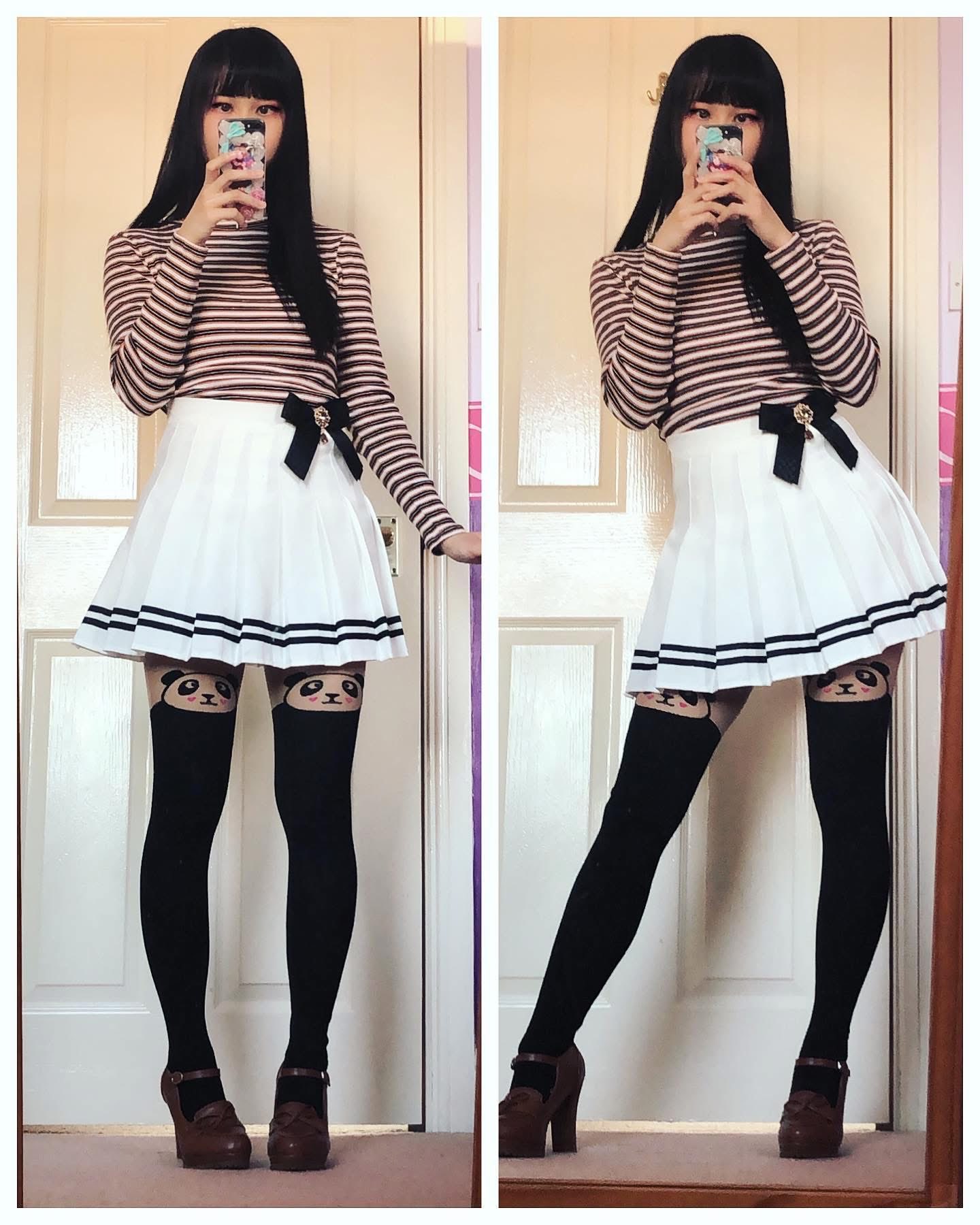
Fast fashion blamed for closure of clothing banks
Lorem Ipsum is simply dummy text of the printing and typesetting industry. Lorem the industry’s standard dummy text ever since the when an unknown printer took a galley of type and scrambled it to make a type spe has been the industry’s standard dummy text



























Continue Reading



Uncategorized1 month ago
Hello world!

All1 month ago
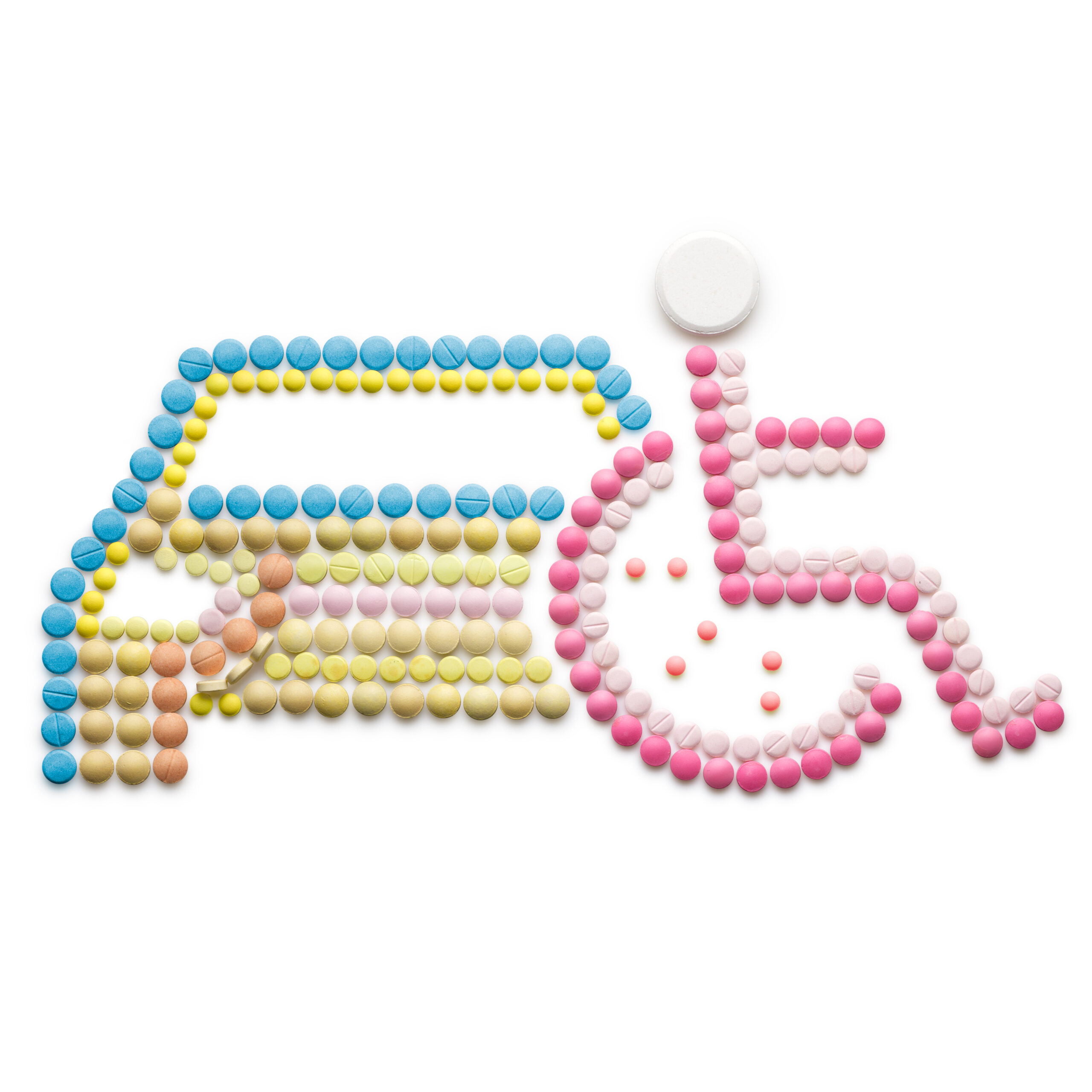
Influencer dies days after being hit by car in Soho

All1 month ago
Man uses car to raise awareness of mental health

Fashion9 years ago
These ’90s fashion trends are making a comeback in 2017
Entertainment9 years ago
The final 6 ‘Game of Thrones’ episodes might feel like a full season
Entertainment9 years ago
The old and New Edition cast comes together to perform

People2 months ago
Ishiba’s World War II Memorial Address Reflects His Distinctiveness as He Mulls Timing of Personal Remarks – [Cloned #2971]

Business News2 months ago
Music giant Universal gets $64bn takeover offer

Business News2 months ago
Trump’s deadline looms but Asian nations already have deals with Iran
-
 Fashion9 years ago
These ’90s fashion trends are making a comeback in 2017
-
Entertainment9 years ago
The final 6 ‘Game of Thrones’ episodes might feel like a full season
-
Entertainment9 years ago
The old and New Edition cast comes together to perform
-
Fashion9 years ago
According to Dior Couture, this taboo fashion accessory is back
-
Sports9 years ago
Phillies’ Aaron Altherr makes mind-boggling barehanded play
-
Business9 years ago
Uber and Lyft are finally available in all of New York State
-
Entertainment9 years ago
Disney’s live-action Aladdin finally finds its stars
-
Entertainment9 years ago
Mod turns ‘Counter-Strike’ into a ‘Tekken’ clone with fighting chickens