Connect with us

CookBook

This is how our protein needs change as we age

Published

on

This is how our protein needs change as we age

This is how our protein needs change as we age

Advert 1

This is how our protein needs change as we age

Protein Requirements in Early Life and Childhood

Protein needs are highest during periods of rapid growth. Infants and young children require more protein relative to their body weight to support development of muscles, bones, organs, and the immune system. Breast milk and formula provide the ideal balance of protein and other nutrients for babies in their first months.

As children grow, protein continues to play a key role in building new tissue and repairing the body after illness or injury.

Protein Needs During Adolescence and Young Adulthood

Teenagers experience another growth spurt that increases protein demands. Muscle development, bone density, and hormonal changes all rely on adequate protein intake. Active young adults, particularly those involved in sports or physical labour, also benefit from higher protein consumption to support muscle repair and energy needs.

In these life stages, protein helps maintain strength and supports overall physical performance.

Stable Protein Requirements in Mid-Adulthood

From the twenties through the forties, protein needs generally remain stable for most healthy adults. The focus shifts toward maintenance rather than growth. A balanced diet with varied protein sources such as meat, fish, eggs, dairy, legumes, and nuts usually meets daily requirements without difficulty.

Regular physical activity continues to influence how much protein the body uses for muscle maintenance.

Changes in Protein Needs After Age 50

After the age of 50, the body becomes less efficient at using protein. Muscle mass naturally declines, a condition known as sarcopenia. To counteract this loss, many experts recommend increasing protein intake slightly compared with younger adulthood. Higher protein consumption helps preserve muscle strength and supports bone health.

This is how our protein needs change as we age becomes particularly important in later decades.

Protein and Muscle Maintenance in Older Adults

Older adults often need 1.2 to 1.6 grams of protein per kilogram of body weight daily, compared with the standard 0.8 grams recommended for younger adults. Distributing protein evenly across meals rather than consuming most of it in one sitting improves absorption and utilisation. Combining protein with resistance exercise further enhances its benefits for muscle preservation.

Adequate protein also aids recovery from illness and helps maintain independence in daily activities.

Factors Influencing Protein Requirements

Individual needs can vary based on activity level, health status, and presence of chronic conditions. Some older adults may require even higher amounts if they are recovering from surgery or managing conditions that increase protein breakdown. Consulting a healthcare professional helps determine the right amount for personal circumstances.

Protein quality matters as much as quantity, with complete sources containing all essential amino acids being particularly valuable.

*2

Practical Sources of Protein for Different Life Stages

Younger people can meet protein needs through a wide variety of foods including meat, poultry, fish, eggs, dairy, beans, and nuts. As people age, it can become harder to consume large portions, so nutrient-dense options become more important. Greek yoghurt, eggs, cottage cheese, lean meats, and protein-rich plant foods help older adults reach targets without excessive volume.

Spreading intake across breakfast, lunch, and dinner supports better muscle protein synthesis throughout the day.

Role of Protein in Healthy Ageing

Maintaining muscle mass helps preserve mobility, balance, and metabolic health in later life. Sufficient protein intake combined with regular physical activity reduces the risk of falls and frailty. It also supports immune function and wound healing, which can slow with advancing age.

This is how our protein needs change as we age highlights why adjusting dietary habits becomes increasingly relevant after mid-life.

Common Challenges and Solutions for Older Adults

Reduced appetite, dental issues, or difficulty preparing meals can make it harder for older people to consume enough protein. Simple solutions include adding protein powder to smoothies, choosing fortified foods, or opting for softer, easier-to-eat protein sources. Planning meals with protein as a central component helps ensure consistent intake.

Staying hydrated and maintaining some level of physical activity further supports the body’s ability to use dietary protein effectively.

Summary of Protein Needs Across the Lifespan

Protein requirements are highest during growth phases in childhood and adolescence. They stabilise in young and middle adulthood before increasing again in older age to combat muscle loss. Understanding these changes allows individuals to adjust their diet appropriately at different life stages.

A balanced approach that includes high-quality protein sources and regular movement supports long-term health and vitality.

Importance of Individualised Nutrition

While general guidelines exist, personal factors such as activity level, health conditions, and appetite should guide final protein intake decisions. Regular check-ups with healthcare providers can help monitor muscle mass and nutritional status over time.

Making small, sustainable changes to daily eating habits can have a meaningful impact on strength and wellbeing as we age.

Final Thoughts on Protein and Ageing

Protein plays a vital role at every stage of life, but its importance for preserving muscle and function becomes especially clear after age 50. By recognising how needs evolve, people can make informed dietary choices that promote healthy ageing and maintain quality of life for longer.

This is how our protein needs change as we age provides a clear framework for adapting nutrition to support the body through different decades.

*3
https://sekaigyakuten.jp - A DePRESSeD Media Ltd Website - Cospanic Entertainment Video
*4
https://banzaijapan.jp - A DePRESSeD Media Ltd Website - Cospanic Entertainment Video
*5

Medical Disclaimer

Medical Disclaimer: You understand that any information and content, such as text, graphics, and images, found within our Website is for general educational, entertainment, and informational purposes only.

You understand that such information is not intended nor otherwise implied to be medical advice or a substitute for medical advice, diagnosis, or treatment.(Case Study or News article) 

Full Terms

*6
*7

Apply For Job Jobs Job's Here

*8
*9
*10
*11
*12
*13
*14
*15
*16
Continue Reading

Click to comment

Leave a Reply

Your email address will not be published. Required fields are marked *

All

Slow cooker hacks to save you money and effort

Published

on

By

Slow cooker hacks

Slow cooker hacks

Advert 1

Slow cooker hacks to save you money and effort

Why Slow Cookers Help Save Money on Energy and Ingredients

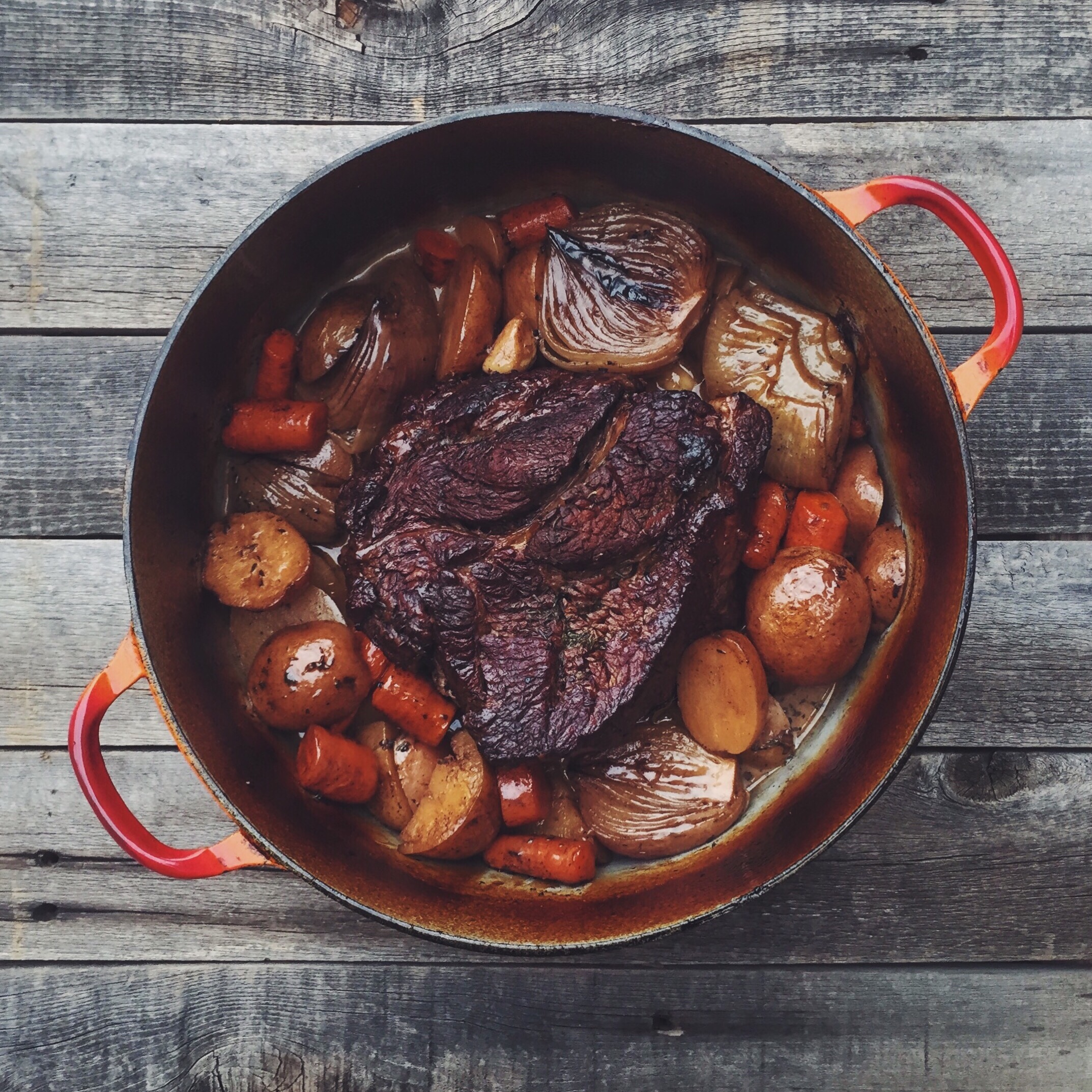
Slow cookers use far less electricity than a conventional oven or hob. They run efficiently for many hours at low temperatures, making them an economical choice for preparing meals. Using cheaper cuts of meat becomes practical because the long, gentle cooking process breaks down tough fibres and creates tender results without expensive ingredients.

Batch cooking in a slow cooker reduces food waste and allows preparation of multiple meals at once, lowering overall shopping costs.

Batch Cooking and Meal Planning Benefits

Preparing large quantities of stews, soups, curries or chilli in one go saves both time and money. Portions can be frozen for future use, providing ready-made meals on busy days. This approach cuts down on takeaway spending and reduces the need for last-minute shopping trips.

Slow cooker hacks to save you money and effort start with planning ahead and maximising each cooking session.

Using Cheaper Ingredients Effectively

Tougher, less expensive cuts of meat such as beef brisket, pork shoulder or chicken thighs become delicious when slow cooked. Dried beans, lentils and pulses cook perfectly without pre-soaking in many recipes, further reducing preparation costs and time. Root vegetables and seasonal produce also work well, adding flavour and nutrition at low cost.

These ingredients release their flavours gradually during the long cooking process.

Time-Saving Preparation Techniques

Chopping vegetables and measuring ingredients the night before allows the slow cooker to be loaded quickly in the morning. Many recipes require no pre-browning of meat, saving additional effort and washing up. Simply adding all ingredients at once often produces excellent results with minimal hands-on time.

This method is particularly useful for busy households or those with limited kitchen time.

One-Pot Cooking and Reduced Cleaning

Slow cookers function as true one-pot devices. There is usually no need to use multiple pans or the oven, which significantly cuts down on washing up. The removable ceramic pot in most models can go straight into the dishwasher or be cleaned easily by hand.

Foil or baking paper liners can make cleaning even simpler for messy recipes.

Maximising Flavour Without Extra Effort

Slow cookers develop deep, rich flavours through long, low-temperature cooking. Adding herbs, spices, or a splash of stock at the start is often all that is needed. Some recipes benefit from a quick blast under the grill at the end to crisp toppings, but the majority require no finishing steps.

This hands-off approach delivers restaurant-quality taste with very little active cooking time.

*2

Advanced Slow Cooker Techniques for Maximum Savings

Using the slow cooker to cook rice, porridge or even cakes expands its usefulness beyond savoury meals. Overnight porridge uses minimal energy and provides a healthy breakfast with almost no morning effort. Cooking pulses and grains in bulk creates versatile bases for multiple meals throughout the week.

These techniques stretch ingredients further and reduce daily cooking demands.

Energy Efficiency Compared to Other Methods

A slow cooker typically uses about the same electricity as a light bulb over several hours. This makes it far cheaper to run than an oven for long-cooked dishes. Preparing meals during off-peak electricity times can reduce costs even more for households on variable tariffs.

The consistent low heat also prevents burning and reduces the risk of ruined food.

Creative Uses Beyond Traditional Recipes

Slow cookers can be used to make stocks, bone broths, mulled drinks, or even to sterilise jars for preserving. They work well for keeping food warm at parties or gently reheating dishes without drying them out. These additional functions increase the appliance’s value and reduce the need for other kitchen equipment.

Slow cooker hacks to save you money and effort continue to evolve as people discover new applications.

Common Mistakes to Avoid for Best Results

Overfilling the slow cooker or lifting the lid too often can affect cooking times and temperatures. Adding too much liquid is a frequent error because very little evaporation occurs. Starting with frozen ingredients is possible but may extend cooking time and should be done with care.

Following basic guidelines ensures consistent success and maximum efficiency.

Tips for Even Greater Savings

Buying meat in bulk when on offer and portioning it for the freezer works well with slow cooker recipes. Using up leftover vegetables and pantry staples prevents waste and keeps costs low. Planning weekly menus around slow cooker days creates a reliable system that saves both time and money.

These habits turn the slow cooker into a powerful tool for budget-friendly home cooking.

Final Thoughts on Slow Cooker Benefits

The combination of low energy use, minimal preparation time, and ability to transform cheap ingredients makes the slow cooker an excellent choice for many households. With a few simple hacks, it delivers tasty, nutritious meals while reducing both effort and spending.

Slow cooker hacks to save you money and effort offer practical solutions for busy lives and tight budgets.

*3
https://sekaigyakuten.jp - A DePRESSeD Media Ltd Website - Cospanic Entertainment Video
*4
https://banzaijapan.jp - A DePRESSeD Media Ltd Website - Cospanic Entertainment Video
*5

Medical Disclaimer

Medical Disclaimer: You understand that any information and content, such as text, graphics, and images, found within our Website is for general educational, entertainment, and informational purposes only.

You understand that such information is not intended nor otherwise implied to be medical advice or a substitute for medical advice, diagnosis, or treatment.(Case Study or News article) 

Full Terms

*6
*7

Apply For Job Jobs Job's Here

*8
*9
*10
*11
*12
*13
*14
*15
*16
Continue Reading

CookBook

What is the anti-inflammatory diet and does it actually work?

Published

on

By

anti-inflammatory
May 2026
M T W T F S S
 123
45678910
11121314151617
18192021222324
25262728293031
Continue Reading

CookBook

Do mushrooms have superpowers? Here’s what the science says

Published

on

By

Do mushrooms have superpowers Here's what the science says
Continue Reading

Trending

Copyright © 2017 Zox News Theme. Theme by MVP Themes, powered by WordPress.